Post Operative Instructions

At Pinnacle Center Dental Implants and Periodontics in Pittsburgh, our team is dedicated to helping every patient experience a smooth and predictable recovery. Whether you received dental implants, underwent periodontal surgery, or completed another soft tissue or bone procedure, proper aftercare plays an important role in healing. Dr. Katherine L. Roll and Dr. Kelly B. Williams provide detailed guidance so you know exactly what to expect and how to care for the surgical area at home.
From the initial consultation
to post-procedure care,
we are here to support you
every step of the way.
Healing times vary from patient to patient, but following the instructions below can lower the risk of complications and support long term treatment success. If you ever feel uncertain about your symptoms or recovery, please contact our office so our team can assist you.
Our team is ready to help you achieve the smile you’ve always dreamed of.
What to Expect After Your Procedure
Managing Bleeding
Mild bleeding or oozing is normal during the first several hours after your appointment. Place clean gauze directly over the surgical site and bite with steady pressure for 30 to 45 minutes. If bleeding continues, repeat with fresh gauze until it slows. A small amount of pink saliva can occur for up to a day and is not a cause for concern. Avoid spitting, drinking through straws, or rinsing forcefully since these actions can disrupt the healing clot.
Pain and Medication
Discomfort usually peaks during the first 24 to 48 hours. Over the counter pain relievers often provide effective relief, but take any prescription medications as directed by Dr. Roll or Dr. Williams. Do not take aspirin unless instructed, because it can increase bleeding. Taking medication before numbness fully wears off can make the transition more comfortable.



Ask us about treatments to eradicate gum disease.
Swelling and Bruising
Swelling is common after periodontal or implant procedures. It may increase for up to 72 hours before gradually improving. Place a cold pack on your cheek for 20 minutes at a time with 20 minute breaks between applications. Keep your head elevated, especially when resting or sleeping the first night. Some patients also experience mild bruising that fades within several days.
Oral Hygiene and Cleaning
Keeping your mouth clean is essential to prevent infection and encourage healing. Avoid brushing the surgical area for the first few days or until advised otherwise. Continue to brush and floss the rest of your mouth normally. If a prescription rinse or gel was provided, use it as directed. After 24 hours, gentle warm saltwater rinses can help keep the area clean and soothe the tissues.
We are committed to delivering
Excellence in Dental Care

Trust our expert team to
help you achieve a smile
that reflects your true self
Excellence and Expertise
With dental implants, you can restore your smile, regain your confidence, and enjoy all the benefits of having strong, healthy teeth.
Eating and Drinking
Soft, cool foods are recommended for the first few days. Choose items like yogurt, smoothies, scrambled eggs, pasta, applesauce, soft vegetables, or soups at a comfortable temperature. Avoid hard, crunchy, spicy, or very hot foods because they can irritate the tissue. Do not drink through straws since the suction can disturb the surgical site. Stay hydrated with water and avoid alcohol and carbonated beverages during early healing.
Activity and Lifestyle
Rest is important after dental surgery. Limit physical exertion for at least 24 to 48 hours since exercise may increase bleeding or swelling. Avoid tobacco use during healing. Smoking can interfere with blood flow to the tissues and significantly increases the risk of implant failure or delayed recovery.
Sutures and Follow Up Visits
Some procedures require dissolvable sutures that naturally break down over time. Others require removal at a follow up appointment. Our doctors will let you know what type you have and what timeline to expect. Attending your scheduled follow up visits is important so we can monitor healing and ensure everything progresses normally.
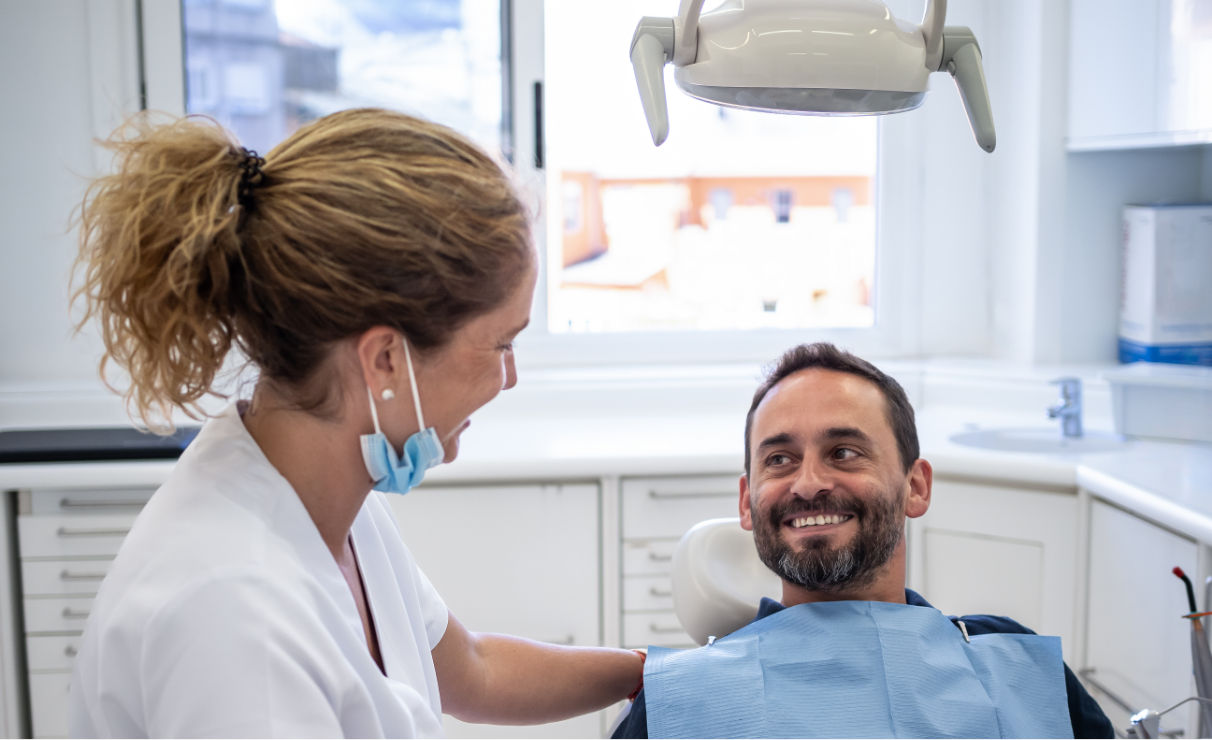
Throughout this process, your comfort and understanding are our top priorities.
Never again suffer from the use of dentures, or the pain and embarrassment of missing teeth. Ever!

FAQs
How long does healing take after dental implant or periodontal surgery?
Early healing usually occurs within one to two weeks, though complete healing of bone and soft tissue continues for several months. Each patient heals at their own rate. Dr. Roll and Dr. Williams will evaluate your progress during follow up visits and provide personalized timelines based on your procedure.
What should I do if bleeding continues?
Replace the gauze and apply firm pressure for another 30 to 45 minutes. Slight oozing is normal, but heavy bleeding that does not slow after several attempts should be evaluated. Call our office if you are concerned.
Is swelling something to worry about?
Swelling is expected after most periodontal and implant procedures. Cold compresses and elevation usually keep it manageable. If swelling becomes severe or is accompanied by fever, contact our office for guidance.
When can I resume brushing near the surgical area?
Brush the non affected areas as usual. Avoid the surgical site until your doctor confirms that it is safe. This prevents irritation and protects the tissue while it heals.
What foods should I stay away from after surgery?
Avoid sharp, crunchy foods, seeds, nuts, popcorn, chips, spicy foods, and anything that requires heavy chewing. Softer options help protect the area and reduce discomfort.
Can I smoke or vape after my procedure?
Avoid all forms of tobacco and vaping during recovery. These habits slow healing and can create complications, especially for dental implants.
What if I notice a poking or sharp sensation?
Occasionally, patients feel small bone fragments or sutures as the gums heal. This can be normal, but if it becomes uncomfortable, schedule a visit so our team can evaluate it.
When should I call the office?
Contact us if you experience persistent pain, fever, unusual swelling, heavy bleeding, allergic reactions, or anything that concerns you. Our team is here to support you throughout your recovery and ensure the best outcome.

CHECK OUR
Patient reviews
“Very knowledgeable and friendly staff…”
Experience the benefits of Dental Implants in Pittsburgh