Does Alcohol in Mouthwash Treat Gum Disease?

Gingivitis, we all have heard the name and we all know that it isn’t good when we have it in our mouths.  It’s gum disease and can lead to even more problems in our mouths if it is left untreated. One of the things that can be very important to help prevent any kind of gum disease is to use a mouth wash along with your standard brushing and flossing. With all of the small crevices that are within out mouths there can be times that our toothbrush or line of floss just can’t get to.

There are a lot of mouth washes out there and you more than likely have seen the different commercials that promote a mouthwash that gives you that fresh clean feeling inside of your mouth. They motivate you to swish in your mouth for 30 seconds and to power through the burning feeling in your mouth.  Have you ever wondered what that fresh feeling is from and if it really is helping clean your mouth? We wanted to discuss this a little more and let you in on a secret that you may not be aware of.

Getting that fresh, yet sometimes burning sensation from leading mouthwashes can be irritating to some, or down right unbearable. There also have been complaints of a strange aftertaste after using these kinds of mouthwashes and bouts of dry mouth.  Where does all of that come from? Alcohol. There are many that may not be aware that alcohol is an ingredient in many popular mouthwashes. It burns and makes the whole process, even when it’s only a short amount of time, feel unbearable. It could be stopping you and other patients from using it to help keep your mouth free of plaque, tartar build up, halitosis (bad breath), whiten teeth, and having a healthy and clean smile.

There have been toothpastes developed for those who have sensitive teeth and you’ll be happy to know that there are also options out there for those that may not like the burning sensation they feel using a standard mouthwash.  These alcohol free mouthwashes provide the same preventative effect as those that have alcohol, and won’t give you that burning feeling you are wanting to avoid. There are even versions that are formulated specifically for treating gum disease if you do have a minor form of gingivitis.

There have also been studies conducted by BioMed Research that suggest using a mouthwash without alcohol can actually improve the gloss, color, hardness, and wear of your teeth compared to a mouthwash that does have alcohol. Dr. Silberg and all of us at the Silberg Center for Dental Science want you to have a healthy smile with no gum disease to speak of, and looking at a mouthwash without alcohol can be an option if you would like to try it.

Even a minor issue with gum disease can turn into a very serious thing if you don’t take care of it. Adding mouthwash to your daily routine when you are brushing your teeth can help prevent it from developing in your mouth and causing more problems. It could lead to periodontal disease, bone loss, and even loss of permanent teeth. These all can be treated if you have had any of those situations, but Dr. Silberg wants to help avoid them as they can be very time consuming and at times costly to treat.

Remember that if you do have questions or concerns about your mouth, or even feel like you might have some form of gum disease, please do give us a call.  We will be happy to talk to you to schedule an appointment to see Dr. Silberg and you can talk with him about your personal situation.

Understanding Gum Disease… Is It Affecting YOU?

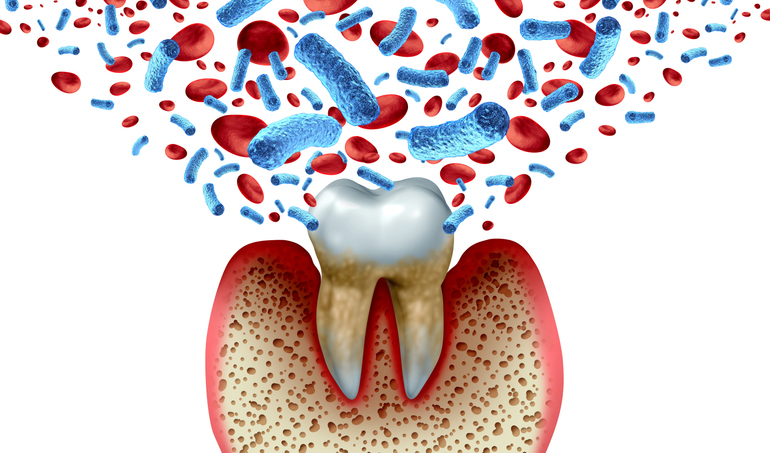
Illustration of gum disease and periodontal bacteria infecting inflamed gums and bone around a toothA staggering 90% of Americans grapple with periodontal disease annually. This alarming number indicates that most people will, at some juncture in their lives, encounter this dental concern. The depth, intensity, and repercussions of the disease vary among individuals, but it’s clear that oral health is a nationwide concern that cannot be ignored.

Dental Bacterial Plaque: The Primary Offender

Central to the onset of gum disease is the formation of dental bacterial plaque. This seemingly innocuous biofilm takes shape when bacteria find a niche at the intersection where teeth and gums meet. When we picture our mouth, it’s beneficial to envision it as a bustling, dynamic ecosystem, where the soft and hard oral tissues live in synergy with an extensive array of bacterial species.

Factors Exacerbating Gum Disease

Several factors, both internal and external, can amplify the risk of developing periodontal disease. Poor dietary choices, smoking, certain medications, and even genetic predispositions can expedite the disease’s progression. Hormonal changes in women, diabetes, and other illnesses can also make individuals more susceptible to gum issues.

Maintaining the Oral Ecosystem’s Balance

Maintaining the equilibrium of this intricate oral ecosystem is paramount. Without consistent and meticulous oral hygiene practices, the balance can quickly tip in favor of disease-causing bacteria. It’s analogous to a garden. Without regular care, nurturing, and weeding, it can quickly become overrun by invasive species. In the realm of oral health, brushing, flossing, and routine dental check-ups play the vital roles of gardener, ensuring that the environment remains conducive to health and well-being.

From Gingivitis to Periodontitis: The Progression of Gum Disease

Periodontal disease doesn’t appear overnight. It usually starts subtly as gingivitis, characterized by red, swollen gums that may bleed easily. This is the body’s response to the harmful bacteria amassing at the gum line. If these early signs are ignored, or if inadequate treatment is sought, gingivitis can metamorphose into periodontitis. In this advanced stage, the inner layer of the gum and bone pull away from the teeth, forming pockets that can become infected. The body’s immune response coupled with bacterial toxins can start to break down the bone and connective tissue holding the teeth in place, leading to loose teeth or even tooth loss.

Proactive Steps for Prevention

While the statistics are daunting, it’s essential to remember that periodontal disease, especially in its early stages, is preventable and treatable. Regular dental check-ups, professional cleanings, a balanced diet, and good oral hygiene practices are the cornerstones of prevention.

Prioritize Your Oral Health with Pinnacle Center

Don’t let the threat of gum disease loom large over your life. At Pinnacle Center – Dental Implants & Periodontics, we’re dedicated to equipping you with the knowledge, tools, and treatments necessary to maintain or restore your oral health. Schedule your comprehensive appointment for gum disease treatment in Pittsburgh with our team of experts, and embark on a journey towards a brighter, healthier smile. Your oral health deserves prioritization, and with the right care, you can ensure it remains in peak condition for years to come.