

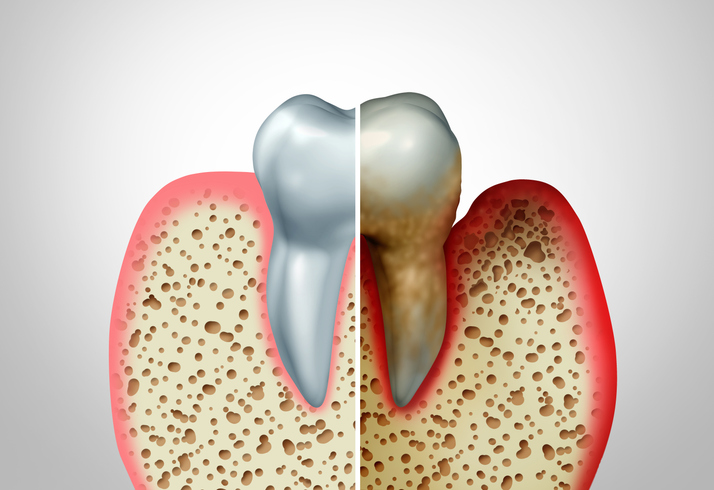
When it comes to gum disease, recognizing the warning signs early can make a significant difference in protecting your oral health. Many patients in Pittsburgh are surprised to learn that gum disease develops in stages, beginning with a mild condition called gingivitis and potentially progressing into advanced periodontitis, a serious infection that can threaten your teeth, gums, and jawbone.
Understanding the differences between early gingivitis and advanced periodontitis can help you seek treatment before permanent damage occurs. At Pinnacle Center Dental Implants and Periodontics, Dr. Katherine L. Roll and Dr. Kelly B. Williams help patients throughout the Pittsburgh area diagnose, treat, and manage all stages of periodontal disease.
What Is Gingivitis?
Gingivitis is the earliest stage of gum disease. It occurs when plaque, a sticky film of bacteria, accumulates along the gumline and triggers inflammation in the surrounding gum tissue.
The good news is that gingivitis is reversible when treated promptly. Professional dental cleanings and improved oral hygiene habits can often restore gum health before lasting damage develops.
Common Signs of Early Gingivitis
If you have gingivitis, you may notice:
- Red or swollen gums
- Bleeding when brushing or flossing
- Tender gums
- Mild gum sensitivity
- Persistent bad breath
- Increased plaque buildup around the teeth
Many patients experience little to no discomfort during this stage, which is why regular dental exams are essential for early detection.
What Is Advanced Periodontitis?
Periodontitis develops when gingivitis is left untreated. As the infection progresses beneath the gumline, bacteria begin attacking the tissues and bone that support your teeth.
Unlike gingivitis, advanced periodontitis cannot be reversed. The goal of treatment becomes stopping disease progression, preserving remaining bone and tissue, and restoring oral health whenever possible.
Common Signs of Advanced Periodontitis
Advanced periodontitis often presents with more noticeable symptoms, including:
- Receding gums
- Deep periodontal pockets between the teeth and gums
- Loose or shifting teeth
- Pain when chewing
- Significant gum bleeding
- Chronic bad breath
- Pus around the gums
- Changes in your bite
- Tooth loss
Because periodontitis affects the supporting structures of your teeth, delayed treatment can lead to permanent damage and eventual tooth loss.
Gingivitis vs. Periodontitis
Understanding how these conditions differ can help you recognize when professional care is needed.
| Gingivitis | Advanced Periodontitis |
|---|---|
| Early stage of gum disease | Advanced stage of gum disease |
| Inflammation limited to the gums | Infection affects gums, ligaments, and bone |
| Reversible with treatment | Cannot be fully reversed |
| Mild symptoms | More severe symptoms |
| No bone loss | Bone loss is present |
| Teeth remain stable | Teeth may become loose or shift |
| Professional cleaning often sufficient | Specialized periodontal treatment required |
What Causes Gum Disease?
Both gingivitis and periodontitis are primarily caused by bacterial plaque buildup. However, several risk factors can increase your likelihood of developing gum disease:
- Poor oral hygiene
- Smoking or tobacco use
- Diabetes
- Genetic predisposition
- Hormonal changes
- Certain medications
- Stress
- Dry mouth conditions
Patients with dental implants should also be aware that gum infections can affect implant health if left untreated.
How Periodontists Diagnose Gum Disease
During a periodontal evaluation, a periodontist will assess the health of your gums and supporting bone structures.
Diagnostic tools may include:
- Measuring periodontal pocket depths
- Evaluating gum recession
- Assessing tooth mobility
- Digital X-rays to detect bone loss
- Reviewing your medical and dental history
At Pinnacle Center Dental Implants and Periodontics, Dr. Roll and Dr. Williams use comprehensive periodontal examinations to identify disease severity and develop personalized treatment plans.
Treatment Options for Gingivitis
Because gingivitis is reversible, treatment is typically straightforward when addressed early.
Common treatments include:
Professional Dental Cleaning
Removing plaque and tartar buildup above and below the gumline helps eliminate the source of inflammation.
Improved Oral Hygiene
Patients are often advised to:
- Brush twice daily
- Floss every day
- Use antimicrobial mouth rinses
- Maintain regular dental checkups
With consistent care, gingivitis can often resolve within a few weeks.
Treatment Options for Advanced Periodontitis
Advanced periodontitis requires more comprehensive treatment to control infection and prevent further damage.
Scaling and Root Planing
Often called deep cleaning, this procedure removes bacteria and calculus from below the gumline while smoothing root surfaces to encourage healing.
Periodontal Maintenance
More frequent professional cleanings help manage chronic periodontal disease and reduce the risk of recurrence.
Gum Grafting
For patients experiencing significant gum recession, gum grafting procedures can help restore lost tissue and protect exposed roots.
Regenerative Procedures
In certain cases, advanced periodontal therapies may help regenerate lost bone and supporting tissues.
Dental Implants
If tooth loss has already occurred, dental implants can provide a long-lasting replacement solution while restoring function and appearance.
Why Early Treatment Matters
The earlier gum disease is diagnosed, the better the outcome tends to be. Treating gingivitis before it progresses to periodontitis can help you:
- Preserve healthy gum tissue
- Avoid bone loss
- Reduce the risk of tooth loss
- Lower treatment costs
- Maintain a healthier smile
Research has also linked periodontal disease to broader health concerns, including cardiovascular disease, diabetes complications, and systemic inflammation, making early intervention even more important.
When Should You See a Periodontist?
If you notice bleeding gums, gum recession, persistent bad breath, loose teeth, or other signs of gum disease, it’s important to seek professional evaluation as soon as possible.
A periodontist has advanced training in diagnosing and treating gum disease at every stage, helping patients preserve their natural teeth whenever possible.
Schedule a Periodontal Evaluation in Pittsburgh, PA
If you’re concerned about bleeding gums, gum recession, or other signs of gum disease, the experienced team at Pinnacle Center Dental Implants and Periodontics can help. Dr. Roll and Dr. Williams provide advanced periodontal care and dental implant solutions for patients throughout Pittsburgh, PA.
Early treatment can make all the difference in protecting your smile. Contact us today to schedule a comprehensive periodontal evaluation.