

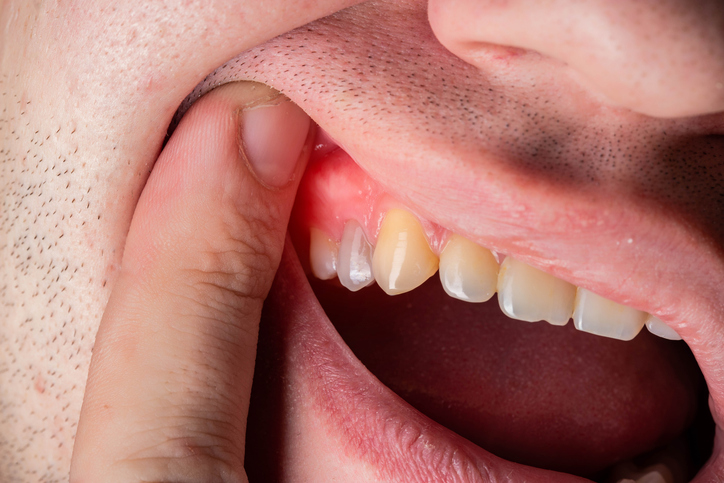
Gum disease is one of the most common oral health conditions among adults, yet it often goes unnoticed until it becomes serious. Why? Because the early symptoms are subtle, painless, and easy to dismiss as minor inconveniences.
At Pinnacle Center Dental Implants and Periodontics in Pittsburgh, PA, Dr. Katherine L. Roll and Dr. Kelly B. Williams frequently see patients who were unaware they had gum disease until it had already progressed. The good news is that recognizing these early warning signs can help you take action before lasting damage occurs.
What Is Gum Disease?
Gum disease, also known as periodontal disease, is a bacterial infection that affects the gums and the bone supporting your teeth. It typically develops in two stages:
- Gingivitis: The earliest stage, marked by inflammation and irritation of the gums
- Periodontitis: A more advanced stage where the infection begins to damage bone and connective tissue
The key issue is that gingivitis often causes little to no pain, which makes it easy to ignore. Without treatment, it can progress into periodontitis, leading to tooth loss and even impacting overall health.
Why Subtle Symptoms Are Often Overlooked
Many adults assume that minor gum issues are normal. Bleeding during brushing, occasional bad breath, or slight sensitivity may not seem urgent. Busy schedules and lack of discomfort often lead people to delay dental visits.
However, these small symptoms are often the body’s early warning system. Ignoring them allows bacteria to spread beneath the gumline, where it becomes harder to treat.
Subtle Signs of Gum Disease You Shouldn’t Ignore
1. Slight Gum Bleeding
If you notice pink in the sink after brushing or flossing, it’s a red flag.
Healthy gums should not bleed. Even minimal bleeding can indicate inflammation caused by plaque buildup. Many people stop flossing when they see blood, but this can actually make the problem worse.
2. Persistent Bad Breath
Bad breath that doesn’t go away with brushing, flossing, or mouthwash may be more than a hygiene issue.
Bacteria trapped under the gums release toxins that cause a persistent odor. This is often one of the earliest and most noticeable signs of gum disease.
3. Mild Gum Redness or Swelling
Gums should be pale pink and firm. If they appear slightly red, swollen, or shiny, it may indicate irritation or infection.
Because the change is gradual, many people don’t notice it until the inflammation becomes more pronounced.
4. Gum Recession
Receding gums can make your teeth look longer than they used to. This happens when gum tissue pulls away from the teeth.
Gum recession not only affects your appearance but also exposes sensitive root surfaces, increasing the risk of decay and discomfort.
5. Increased Tooth Sensitivity
If hot coffee or cold drinks suddenly cause discomfort, gum disease could be a contributing factor.
As gums recede and enamel protection decreases, the underlying dentin becomes exposed, leading to sensitivity.
6. Changes in Your Bite or Tooth Position
Subtle shifting of teeth or changes in how your bite feels can signal bone loss caused by advancing periodontal disease.
This is often a later sign but can still go unnoticed if the changes happen gradually.
7. Occasional Gum Tenderness
Slight soreness or tenderness in the gums, especially when brushing or chewing, may indicate inflammation.
Even if the discomfort comes and goes, it should not be ignored.
The Connection Between Gum Disease and Overall Health
Gum disease doesn’t just affect your mouth. Research has linked periodontal disease to several systemic health conditions, including:
- Heart disease
- Diabetes complications
- Respiratory issues
- Increased inflammation throughout the body
When bacteria from the gums enter the bloodstream, they can contribute to inflammation in other areas. This makes early detection even more important for your overall health.
Risk Factors That Increase Your Chances
Certain factors can make gum disease more likely or harder to detect:
- Smoking or tobacco use
- Poor oral hygiene habits
- Hormonal changes, such as pregnancy or menopause
- Chronic conditions like diabetes
- Genetic predisposition
- Stress, which can weaken the immune system
- Medications that cause dry mouth
Understanding your risk level can help you stay more vigilant about early symptoms.
What Happens If Gum Disease Is Left Untreated?
Ignoring early signs can lead to more serious complications, including:
- Deep pockets forming between teeth and gums
- Bone loss around teeth
- Loose or shifting teeth
- Tooth loss
- Need for advanced treatments such as osseous surgery or dental implants
The earlier gum disease is treated, the easier it is to manage and reverse.
How a Periodontist Can Help
A periodontist is a dental specialist trained to diagnose and treat gum disease at every stage.
At Pinnacle Center Dental Implants and Periodontics, Dr. Katherine L. Roll and Dr. Kelly B. Williams use advanced diagnostic tools to detect periodontal issues early. Treatment options may include:
- Professional cleanings to remove plaque and tartar
- Scaling and root planing, also called deep cleaning
- Gum disease maintenance programs
- Surgical treatments for advanced cases
- Dental implants to restore missing teeth
Their goal is to preserve your natural teeth whenever possible and restore your oral health.
How to Prevent Gum Disease
Prevention starts with consistent care and awareness. Simple daily habits can make a significant difference:
- Brush your teeth twice a day using fluoride toothpaste
- Floss daily to remove plaque between teeth
- Use an antibacterial mouthwash if recommended
- Visit your dentist or periodontist regularly
- Avoid smoking or using tobacco products
- Maintain a balanced diet to support gum health
Even with excellent at-home care, professional evaluations are essential for catching issues early.
When Should You Schedule an Evaluation?
If you notice any of the subtle signs mentioned above, it’s best to schedule an evaluation as soon as possible. Waiting for pain or obvious symptoms can allow the disease to progress.
Early intervention can often reverse gum disease and prevent long-term damage.
Protect Your Smile with Expert Periodontal Care in Pittsburgh, PA
Gum disease may start quietly, but its effects can be serious if left untreated. Paying attention to small changes in your gums can help you protect both your smile and your overall health.
At Pinnacle Center Dental Implants and Periodontics in Pittsburgh, PA, Dr. Katherine L. Roll and Dr. Kelly B. Williams are dedicated to helping patients identify and treat gum disease early with personalized, expert care.
If you’ve noticed bleeding gums, bad breath, or any other subtle symptoms, now is the time to take action.