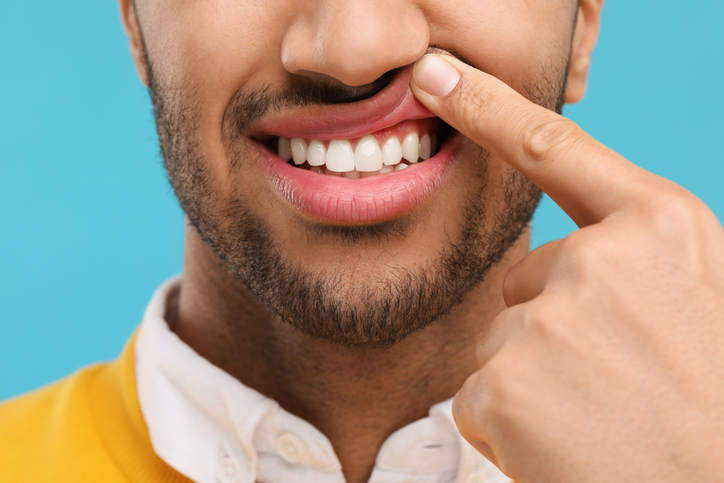
Gum recession is a common periodontal condition that affects many adults and often progresses slowly over time. Because the changes can be subtle at first, many people do not realize they have receding gums until discomfort, sensitivity, or visible changes appear. When left untreated, gum recession can lead to serious oral health problems, including root decay, bone loss, and eventual tooth loss. At Pinnacle Center Dental Implants and Periodontics in Pittsburgh, PA, Dr. Katherine L. Roll and Dr. Kelly B. Williams provide comprehensive periodontal care focused on diagnosing the cause of gum recession and delivering effective, long-term treatment solutions.
Understanding gum recession and the available treatment options is the first step toward protecting your smile and maintaining lifelong oral health.
What Is Gum Recession?
Gum recession occurs when the gum tissue surrounding the teeth gradually pulls away from the tooth surface. As this tissue recedes, the tooth root becomes exposed. Tooth roots are more vulnerable than the enamel-covered crown of the tooth and are not designed to withstand daily wear, temperature changes, or bacterial exposure.
Unlike cavities or sudden dental injuries, gum recession often develops over months or years. This slow progression makes regular periodontal evaluations essential, especially for adults with a history of gum disease or other risk factors.
Common Signs and Symptoms of Receding Gums
Recognizing the early signs of gum recession allows for earlier intervention and more conservative treatment. Common symptoms include:
- Increased sensitivity to hot, cold, or sweet foods
- Teeth that appear longer than they used to
- Visible tooth roots near the gumline
- Tender, inflamed, or bleeding gums
- Discomfort when brushing or flossing
- Changes in tooth spacing or bite alignment
Some patients experience little to no discomfort, which is why professional examinations are critical for detecting recession before complications develop.
What Causes Gum Recession?
Gum recession rarely has a single cause. Instead, it is often the result of multiple contributing factors. Identifying these factors allows our periodontists to address both the recession itself and the underlying issue.
Periodontal Disease
Gum disease is the leading cause of gum recession in adults. Bacterial plaque buildup triggers inflammation, which gradually destroys gum tissue and supporting bone. As the disease progresses, the gums detach from the teeth, leading to recession and pocket formation.
Aggressive or Improper Brushing
Brushing too hard or using a hard-bristled toothbrush can wear away gum tissue over time. Many patients unintentionally damage their gums while attempting to clean their teeth thoroughly.
Genetics
Some individuals are genetically predisposed to thinner or more fragile gum tissue, making them more susceptible to recession even with good oral hygiene habits.
Teeth Grinding or Clenching
Excessive biting forces from grinding or clenching place stress on the teeth and surrounding tissues. Over time, this stress can contribute to gum recession and bone loss.
Misaligned Teeth or Bite Problems
When teeth are not properly aligned, uneven pressure is placed on specific areas of the gums. This can cause localized recession in areas that bear excessive force.
Tobacco Use
Smoking and other forms of tobacco use reduce blood flow to the gums, impair healing, and increase the risk of gum disease and recession.
Why Gum Recession Should Not Be Ignored
While gum recession may seem like a cosmetic issue at first, it can have serious consequences if left untreated. Exposed tooth roots are more vulnerable to decay and erosion. As recession progresses, the supporting bone around the teeth can also deteriorate, increasing the risk of tooth mobility and tooth loss.
Additionally, gum recession can compromise the success of dental implants and other restorative treatments. Addressing recession early helps preserve both natural teeth and future treatment options.
Effective Gum Recession Treatment Options
At Pinnacle Center Dental Implants and Periodontics, treatment plans are customized based on the severity of recession, the cause of tissue loss, and the patient’s overall oral health.
Non-Surgical Periodontal Therapy
For patients with mild to moderate gum recession caused by gum disease, non-surgical periodontal therapy may be recommended as an initial step. This approach focuses on eliminating bacterial infection and reducing inflammation.
Common non-surgical treatments include:
- Scaling and root planing to remove plaque and calculus from below the gumline
- Smoothing of tooth root surfaces to promote gum reattachment
- Antibacterial or antimicrobial therapies to control infection
These treatments help stabilize the gums and prevent further tissue and bone loss. While non-surgical therapy does not restore lost gum tissue, it can stop the progression of recession and improve overall gum health.
Gum Grafting Procedures
When gum recession is more advanced, gum grafting is often the most effective and predictable treatment. Gum grafting involves adding healthy tissue to areas where the gums have receded in order to cover exposed roots and strengthen the gumline.
There are several types of gum grafting procedures, including:
- Connective tissue grafts, which are commonly used to cover exposed roots
- Free gingival grafts, which increase the thickness of gum tissue
- Pedicle grafts, which reposition nearby gum tissue
Gum grafting helps reduce sensitivity, protect the roots from decay, and improve the appearance of the smile. Dr. Roll and Dr. Williams use proven surgical techniques designed to maximize comfort and promote successful healing.
Bite Correction and Occlusal Therapy
If gum recession is linked to bite problems or teeth grinding, addressing these issues is critical for long-term success. Occlusal therapy may include bite adjustments or the use of custom night guards to reduce excessive pressure on the teeth and gums.
Correcting bite-related issues helps protect grafted tissue and prevents further recession from developing.
Benefits of Treating Gum Recession
Seeking treatment for gum recession offers both functional and aesthetic benefits, including:
- Reduced tooth sensitivity
- Lower risk of root decay and cavities
- Improved gum stability and oral health
- Enhanced smile appearance
- Preservation of natural teeth
- Protection of existing or future dental implants
Early treatment often leads to simpler procedures and more predictable outcomes.
Why See a Periodontist for Gum Recession Treatment?
Periodontists receive advanced training in diagnosing and treating conditions affecting the gums and supporting bone. This specialized expertise is especially important for managing gum recession, which often involves complex factors such as bone loss, bite alignment, and soft tissue health.
At Pinnacle Center Dental Implants and Periodontics, patients benefit from:
- Specialized periodontal knowledge
- Advanced diagnostic technology
- Customized treatment planning
- Extensive experience with gum grafting and implant-related care
This level of care helps ensure that treatment addresses both the symptoms and the root cause of gum recession.
Gum Recession Treatment in Pittsburgh, PA
If you are experiencing symptoms of gum recession or have been told you have receding gums, professional evaluation is essential. Dr. Katherine L. Roll and Dr. Kelly B. Williams provide periodontal care for patients throughout Pittsburgh and surrounding communities.
A thorough periodontal examination can identify the cause of recession and determine the most effective treatment plan for your needs. Taking action now can help protect your teeth, improve comfort, and support long-term oral health.
Scheduling a consultation is an important step toward preserving your smile and maintaining healthy gums for years to come.